
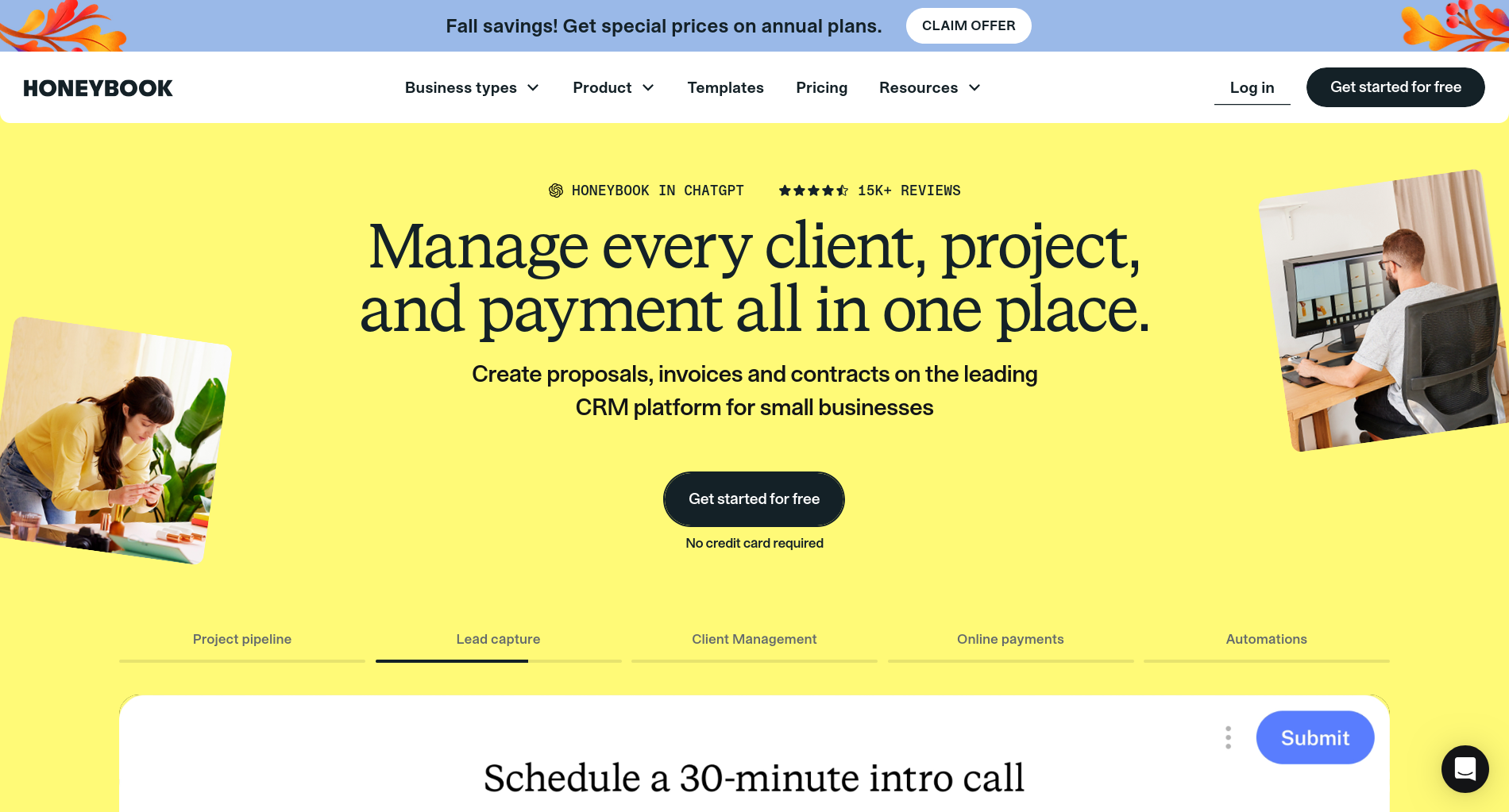
HoneyBook is a favorite with photographers, planners and other creative service businesses. It handles proposals, contracts, invoices, payments and a client portal in one place, and its templates are good. But it only opens its doors to a short list of countries, it takes a cut of payments, and team seats and branding both sit behind pricier plans.
This is a fair look at HoneyBook from a small agency's point of view: what it does well, where the friction is, and what to look at if it doesn't fit.
What HoneyBook gets right
- Unlimited clients and projects on every plan. No caps to plan around.
- Payments built in. Invoices, payment collection, proposals and contracts all live in one tool, with a calendar and a client portal.
- Polished templates. Ready-made proposals, contracts and forms for creative businesses.
- A generous trial. HoneyBook advertises a 30-day free trial with no card required, plus a 60-day money-back guarantee.
If you run a creative service business in a supported country and want payments and paperwork handled in the same place, it's a strong option.
Where the friction is
- It isn't available everywhere. HoneyBook is open to business owners in the U.S., Canada, the UK and Australia. Everyone else joins a waitlist.
- Plans have moved up in price. Starter is $29/month billed annually, Essentials is $49 (or $59 monthly), and Premium is $109 (or $129 monthly). Third-party reports put an increase of roughly 89% on the entry plan in early 2025, and it's still a common complaint in reviews.
- Payment processing fees. Card payments start at 2.7% + 10¢ (HoneyBook's own pricing page also shows 2.9% + 25¢ elsewhere), ACH is 1.5%, and instant deposits cost 1%. Some reviewers also report payout holds.
- Branding and team seats are gated. The "Powered by HoneyBook" label only comes off on Essentials, which allows 2 team members. Unlimited team members need Premium.
- Built for creatives, not project delivery. The structure is built around bookings, proposals and payments, not around milestones on a web or software project.
Who should stay on HoneyBook
Stay if you're based in a supported country, sell services that start with a proposal and a deposit, and want payments and bookings in one place.
Alternatives worth looking at
| Tool | Best for | Starting price* |
|---|---|---|
| Aupero | Small agencies who want a simple, milestone-based client portal | Free plan |
| SuiteDash | Agencies that want CRM, billing and portal in one tool | From $19/mo, unlimited clients and staff |
| Plutio | Freelancers who want a flat-price all-in-one | From $19/mo ($190/year) |
| Dubsado | Creatives who want deep forms and workflow automation | Paid, see vendor |
| Bonsai | Freelancers who want contracts and invoicing first | Per user, see vendor |
| Agiled | All-in-one with agency features | Paid, see vendor |
*Prices change often and some sources conflict. Check each vendor's pricing page before deciding.
Aupero
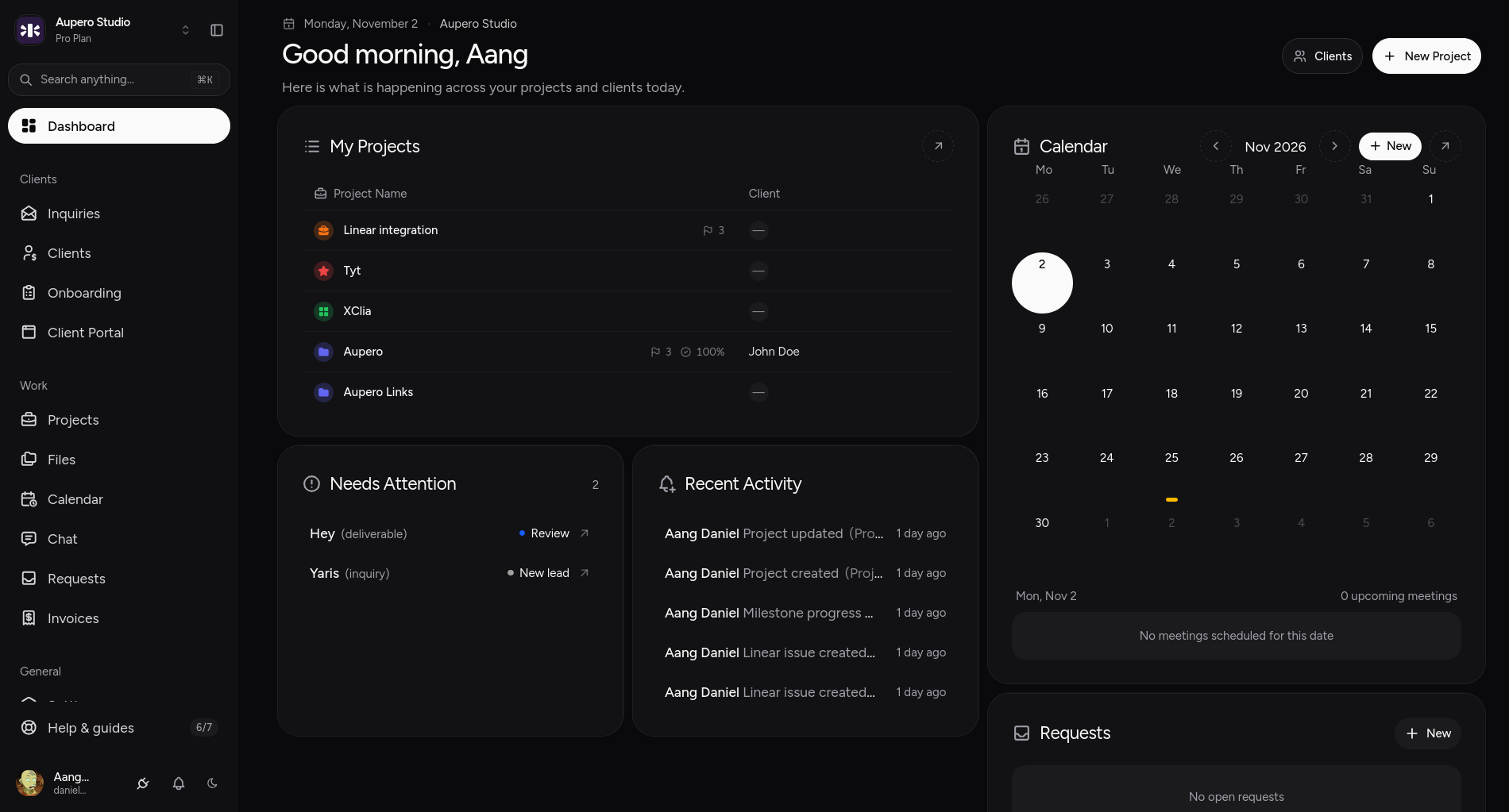
Aupero is built around one idea: your clients shouldn't need training. Each project is a set of milestones, and clients see progress against them in a branded portal, along with files, forms and conversations with you. Your internal dashboard stays private. They never see it.
What it does:
- A client portal that's separate from your agency dashboard
- Milestone-based projects, not task boards or ticket queues
- Intake forms and proposals for new enquiries
- Meeting booking with Cal.com and Google Meet
- Google Drive integration, and Linear integration on paid plans so your dev team can keep working in Linear while clients see milestone-level progress
What it doesn't do yet: it isn't a full billing and contracts suite, so there's no built-in payment collection. If getting paid inside the same tool matters, look at HoneyBook, SuiteDash or Plutio, or use a separate invoicing tool next to Aupero.
There's a free Starter plan, and paid plans come with a 7-day trial.
SuiteDash
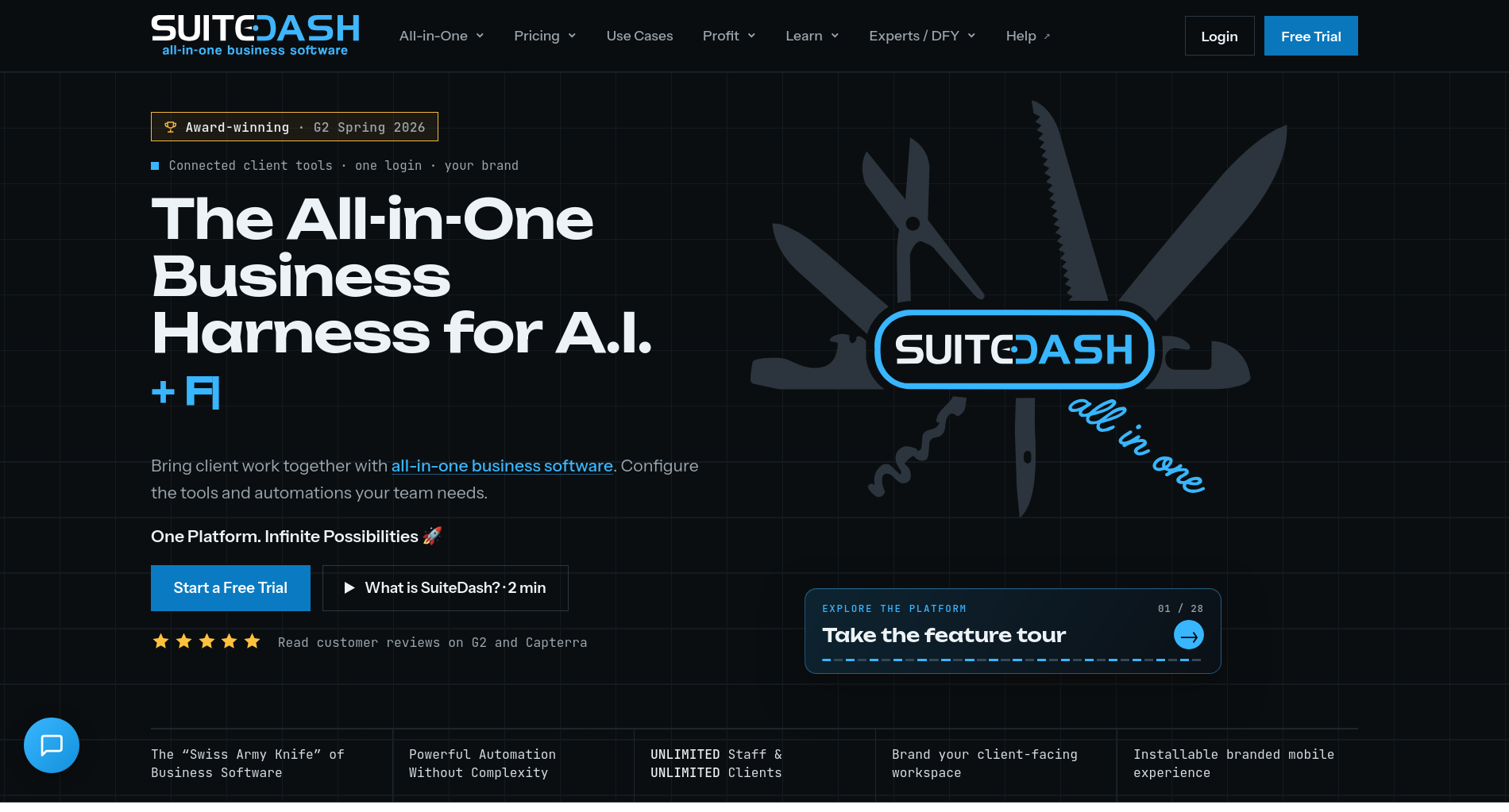
SuiteDash is the closest thing to HoneyBook for agencies, with CRM, proposals, contracts, invoicing and a portal in one, and flat pricing: $19, $49 or $99 per month with unlimited clients and staff. It takes longer to learn. See the full SuiteDash alternatives breakdown.
Plutio
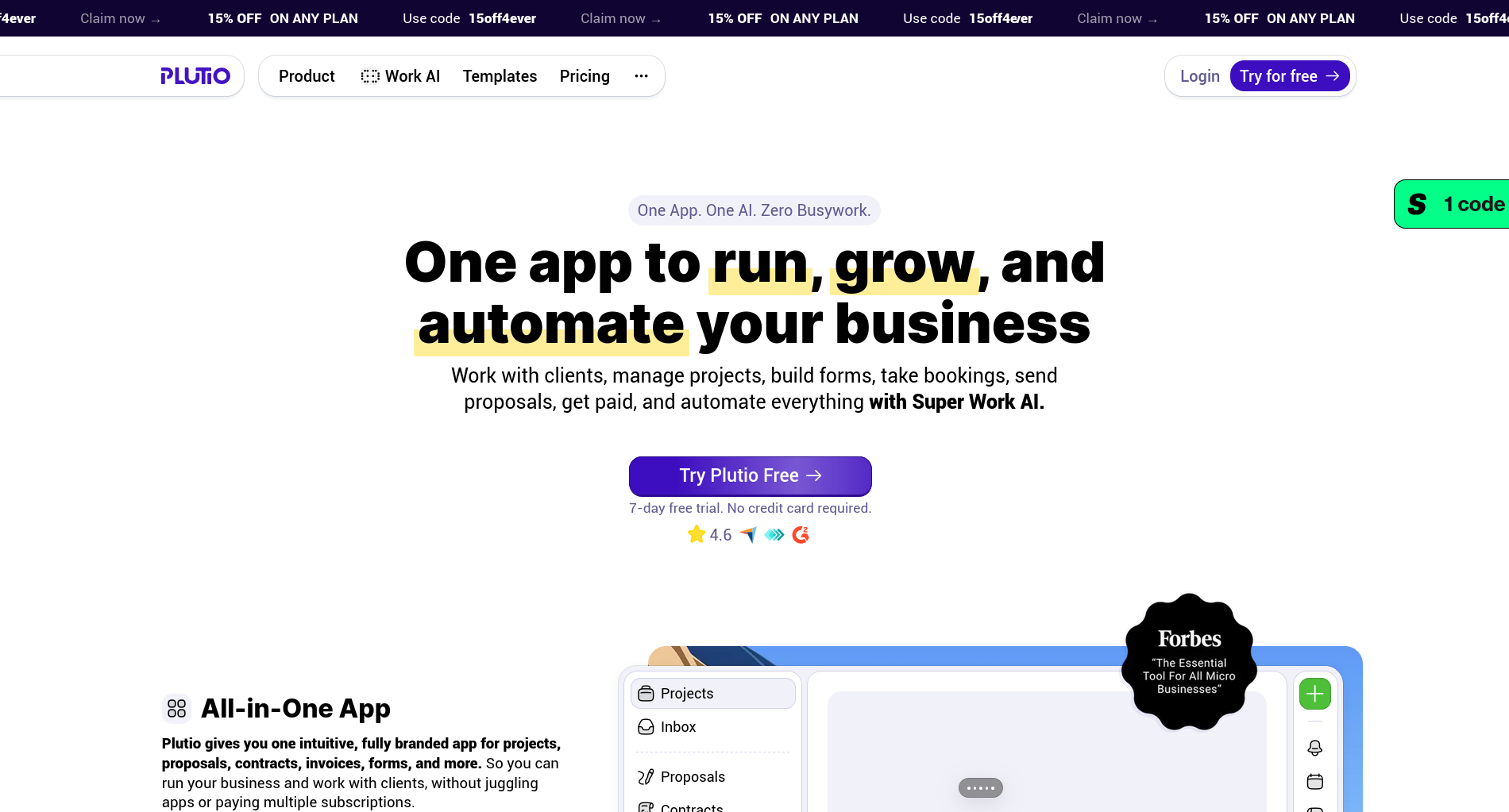
Plutio covers projects, invoices, proposals, contracts, time tracking and a client portal on every plan, from $19/month. Its cheapest plan caps you at 9 active clients, and white-label is a paid add-on. See the full Plutio alternatives breakdown.
Dubsado
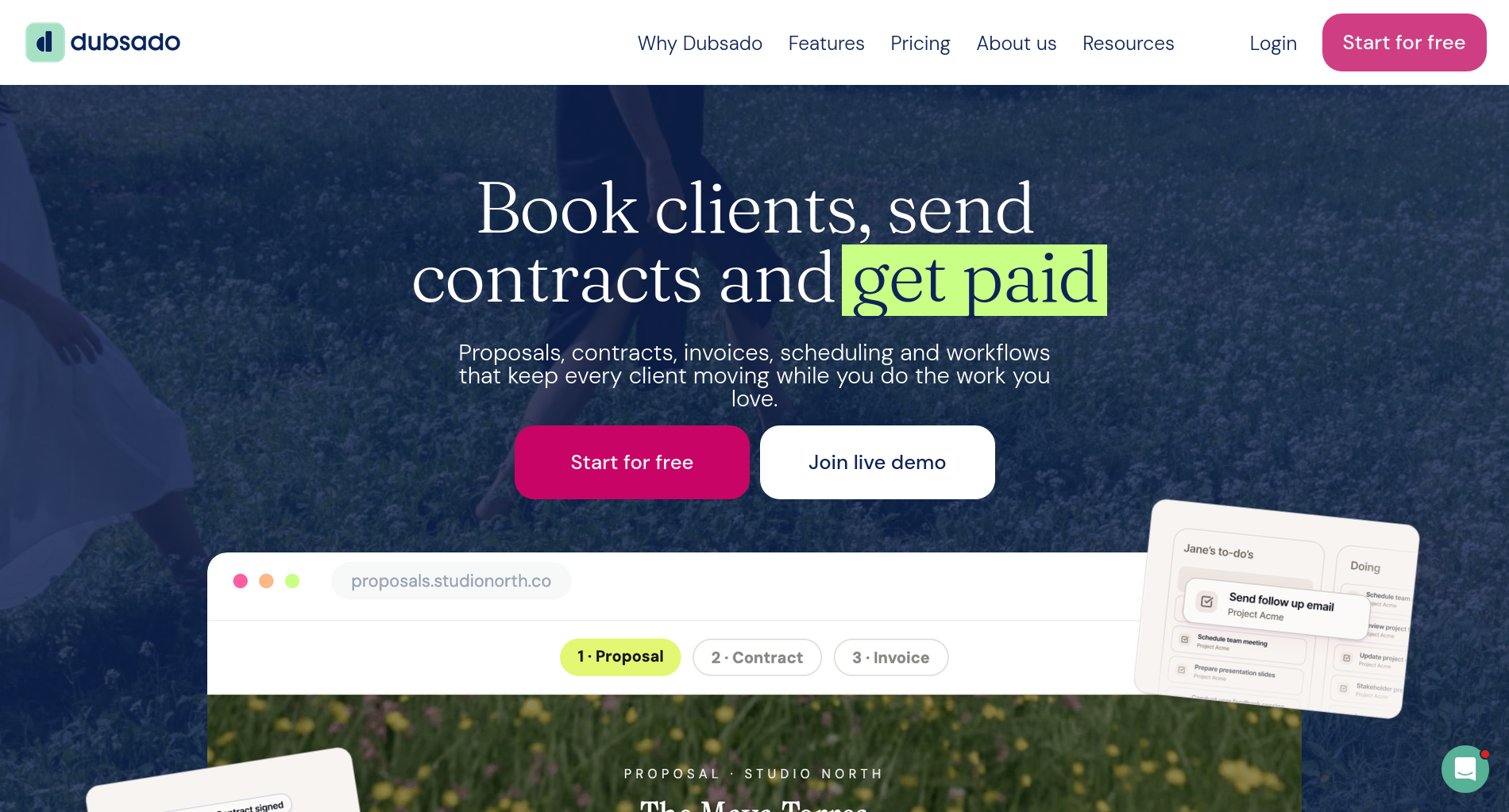
Dubsado is the usual comparison for HoneyBook: flexible forms, workflows and automations for creative businesses. The flexibility comes with a setup that many users describe as involved, and a paid ecosystem of certified specialists has grown around configuring it. Check its pricing and country support before committing.
Bonsai
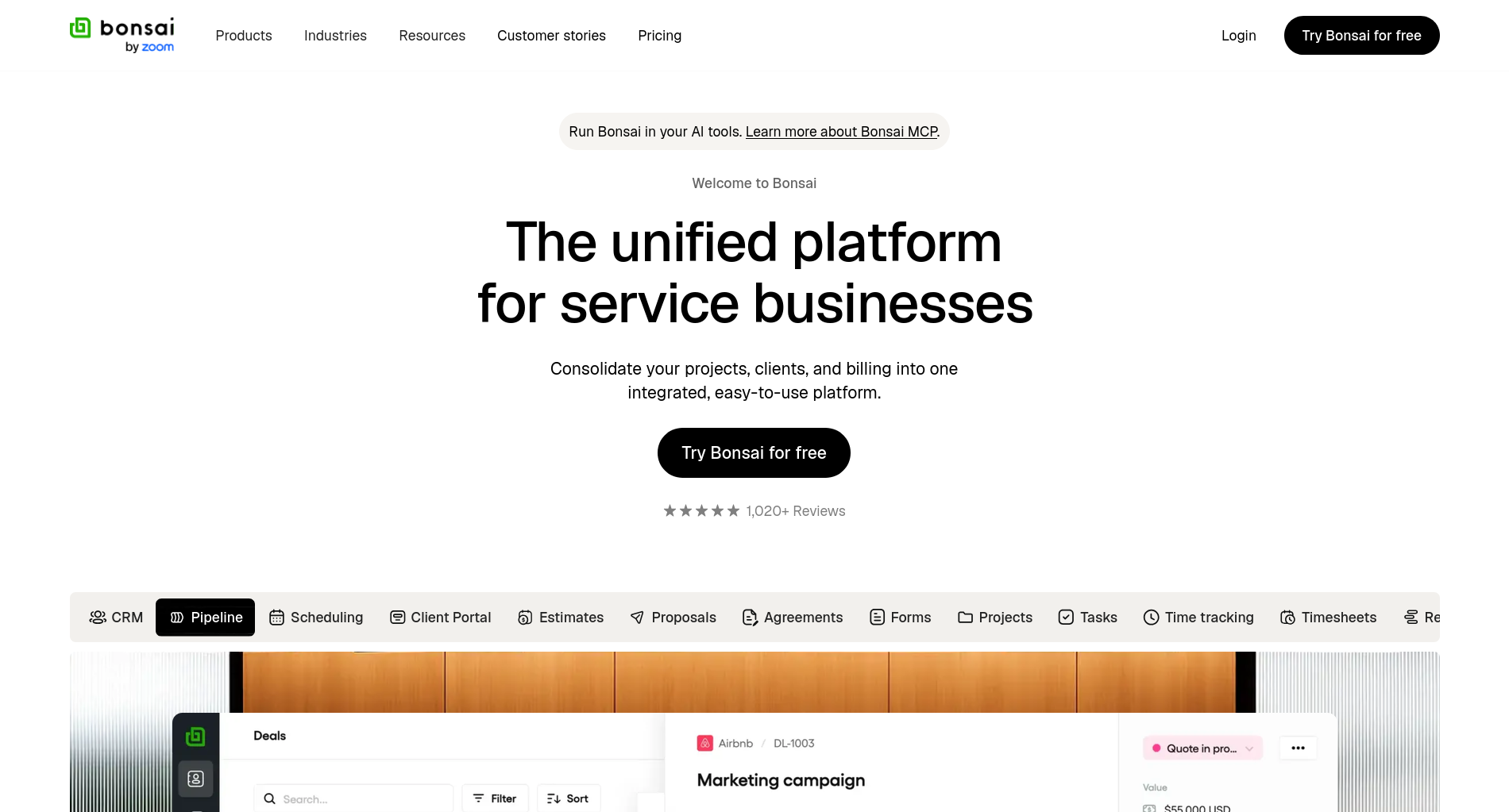
Bonsai started as a contracts and invoicing tool for freelancers and added a client portal later. It suits solo operators and very small teams. Pricing is per user, which adds up as a team grows, and branding options depend on the plan.
Agiled
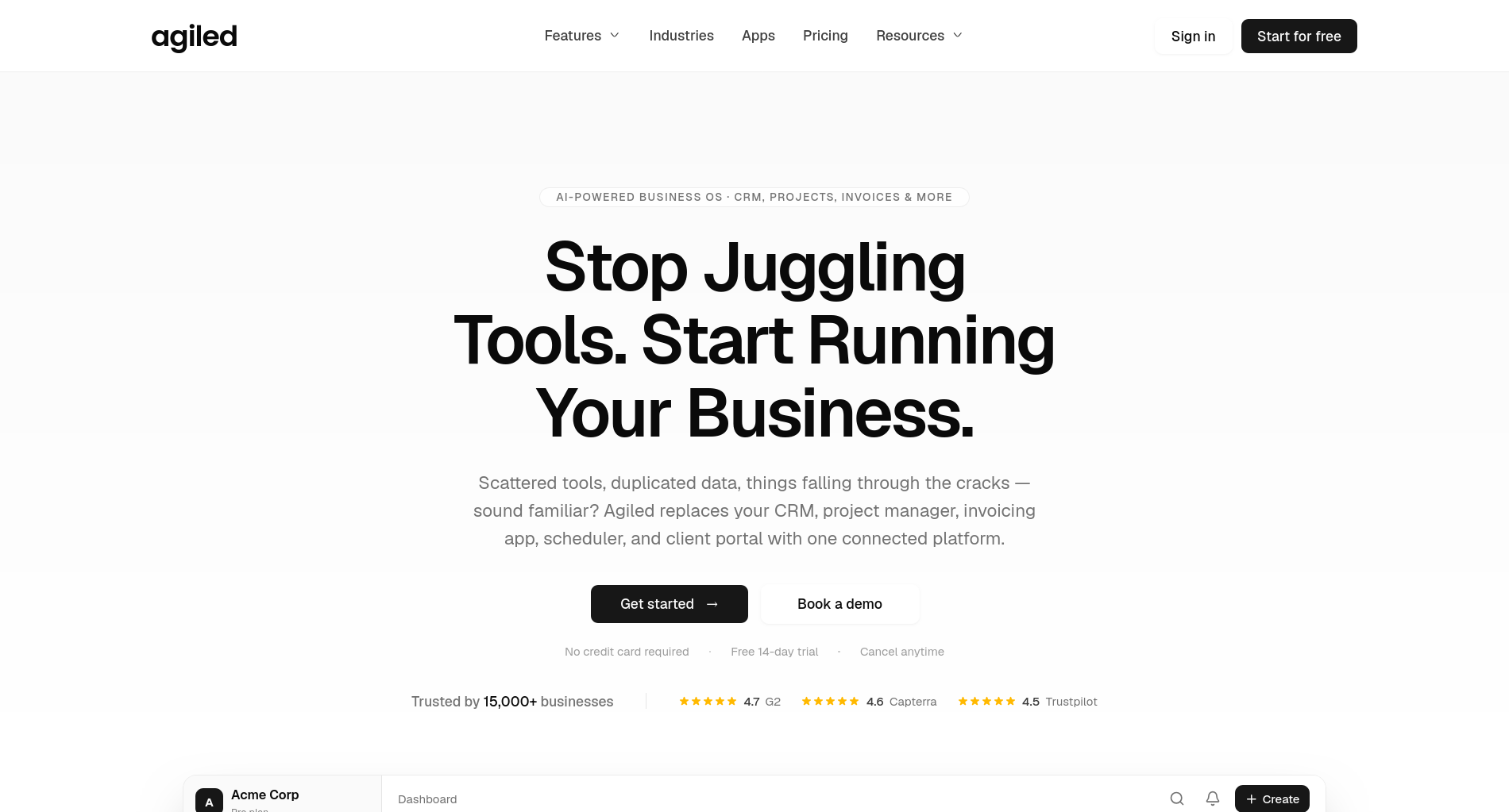
Agiled is a cheaper all-in-one aimed at agencies. It publishes a lot of comparison content, so read its claims about itself with that in mind, and run a real project through its trial before deciding.
How to choose
Ask three questions:
- Can you use it where you're based? If you're outside the four supported countries, HoneyBook isn't an option today.
- Do you need payments in the same tool? If yes, look at SuiteDash or Plutio. If you invoice elsewhere, a lighter portal is enough.
- Do you deliver projects with milestones? If so, a milestone-based portal like Aupero maps to how clients think about the work.
Whatever you choose, run one real client through it before you migrate everyone. A portal nobody opens is a more expensive way to keep sending email.
Try Aupero
If you want a lightweight portal your clients can understand in a minute, you can start on the free plan at aupero.xyz. Tell the team what's missing. Aupero is still being shaped around what agencies actually need.